I
Network
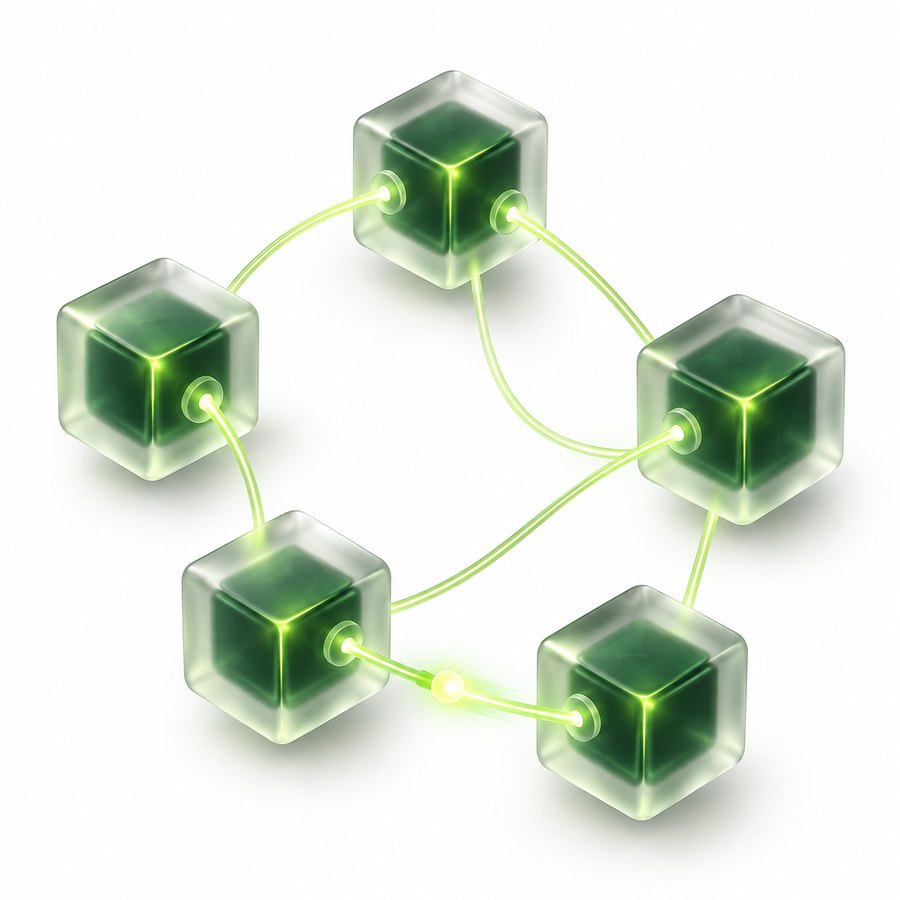
Written in Rust. Traffic hops through several relays wrapped in layers of encryption, so no single relay sees the whole path.
See how it routes →A private relay network. Users, apps, RPC calls and AI agents travel through distributed relays instead of one visible path. The chain stays public; the route doesn't have to be.
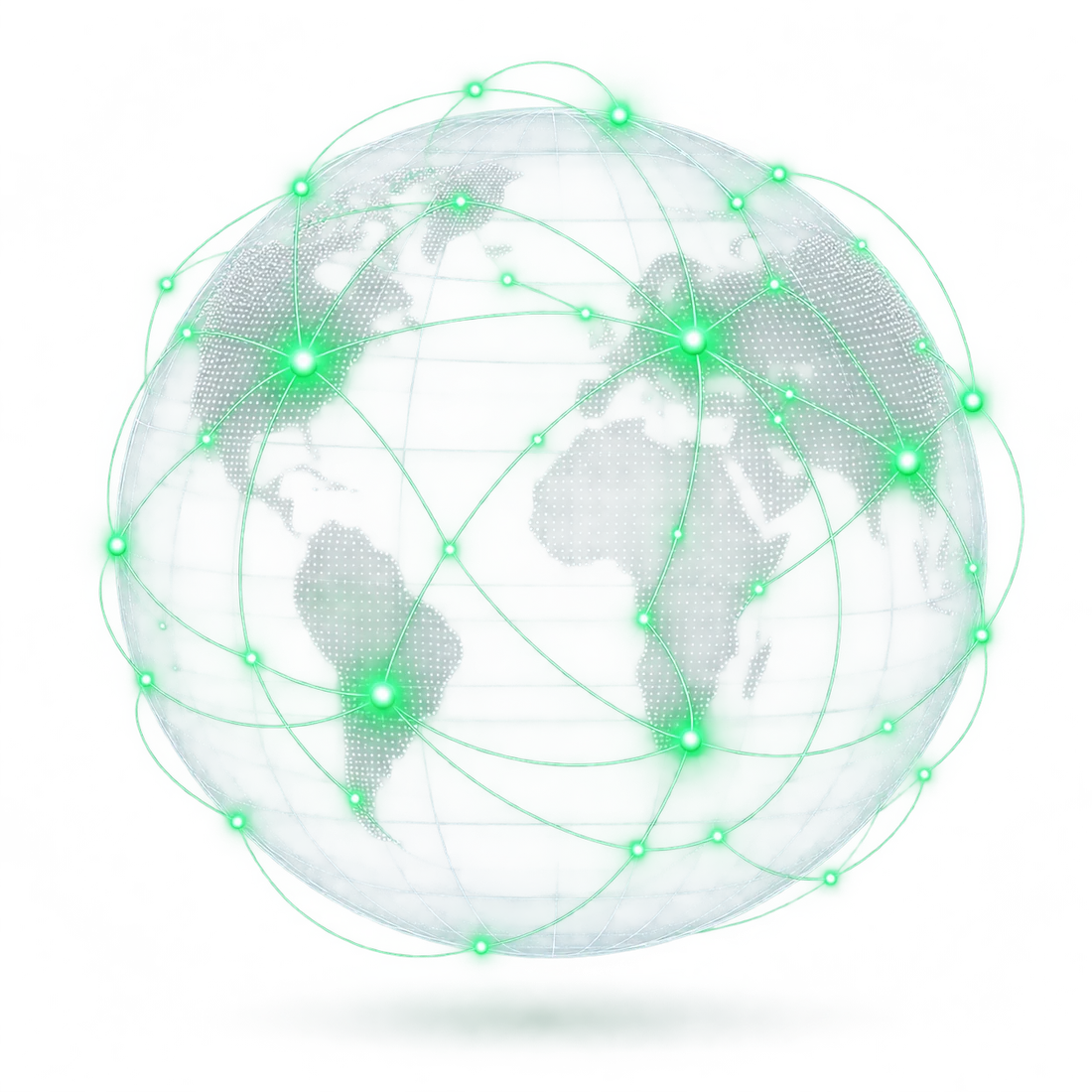
Robinhood Chain is public by design. Every wallet, every trade, every agent call is verifiable. But the network path that carries them — your IP, your RPC endpoint, the machine behind your app — doesn't have to be. HOODNET is the quiet layer underneath.
Use one or all four. They share the same relays, the same .hood namespace, and the same rule: your keys stay with you.
Written in Rust. Traffic hops through several relays wrapped in layers of encryption, so no single relay sees the whole path.
See how it routes →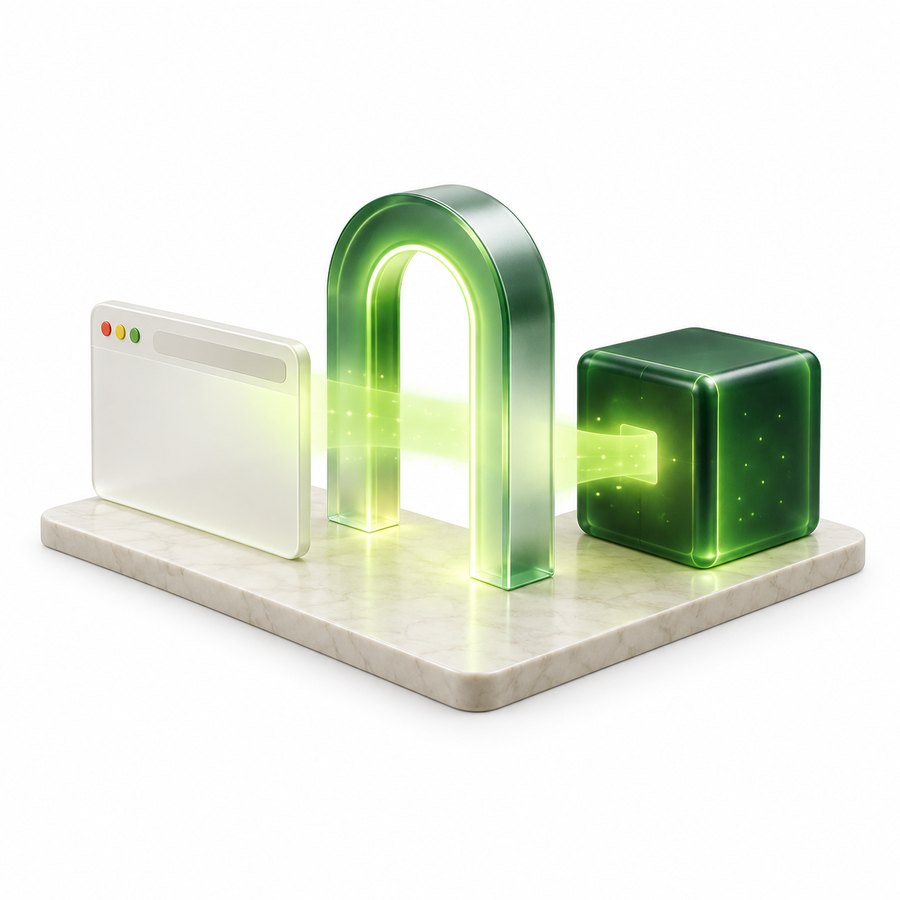
Open any .hood site in a normal browser at name.hoodnet.com. Nothing to install, no special browser.
Fully self-hosted. One command puts your site on the network. You run it and keep the keys; we never store builds.
Deploy a site →
Private inference and a .hood identity for every agent, so prompts and agent traffic never trace back to one IP.
Meet Private AI →Every connection builds a fresh circuit through different relays. Each relay peels off one layer of encryption, so it only knows the hop before it and the hop after it.
Your request is encrypted once for each relay on the path, one layer per hop.
The first relay sees your IP but not where you're going.
It only sees other relays, never you and never the destination.
You and the service meet at a relay. Neither side learns the other's address.
The service answers. Its origin IP stays hidden.
Simplified. A real .hood connection builds a circuit from each side that meets at the rendezvous relay.
Anyone can open a .hood site through the gateway. You host it yourself, so your keys never leave your machine.
Served from a laptop, reached through the network, opened in a normal browser.
HOODNET sits between your apps, agents and services and Robinhood Chain. Nothing about the chain changes. Only the path to it does.
Inference routed through HOODNET, plus a .hood identity for every agent. The model sees your prompt, never where it came from.
How HOODNET works, and what it does with your data. (Nothing. It doesn't keep any.)
A private relay network for Robinhood Chain. It carries traffic from wallets, apps, RPC calls and AI agents through several relays, so no single point sees both who you are and where you're going.
No. A VPN moves your trust to one company that can see everything. HOODNET splits the path across independent relays, and each relay only knows the hop before it and the hop after it.
Not to visit a site. The gateway opens any .hood address in a normal browser at name.hoodnet.com. To host a site, you use the hoodnet CLI.
You do. Service keys are generated on your machine and never uploaded. We don't store your builds, host your files or hold keys for your .hood address.
A name derived from a public key, so it certifies itself. Whoever holds the key owns the address, and no registry can reassign or seize it.
No. Transactions stay public and verifiable onchain. HOODNET protects the network path: your IP, your RPC endpoint and the machine your app runs on.
Host a .hood site, open one from any browser, or give your agents a private path to Robinhood Chain.